Credit Management Software: Features You Should Look for in 2025

Credit management software has revolutionized how finance departments run their daily operations.
Many businesses want to upgrade their systems in 2025, but picking the right software requires understanding what actually matters in today’s market.
Small businesses and large corporations alike need reliable tools that help them manage credit effectively while reducing the risk of bad debt.
Features That Actually Make a Difference
Companies often get lost in fancy feature lists when shopping for credit management software. The truth is, some features matter more than others.
Let’s focus on what genuinely helps businesses manage their credit operations better. A solid foundation of core features will serve a company better than a collection of rarely-used add-ons.
Smart Risk Assessment
Good credit management software helps teams spot risky clients before problems happen.
The software should handle credit checks quickly and flag potential issues. Many companies have cut their bad debt simply by catching problems early through better risk assessment tools.
Risk assessment goes beyond simple credit scores — the software should consider payment history, market conditions, and industry-specific factors when evaluating potential risks.
Real Payment Tracking
Nobody likes chasing late payments. Modern credit management software takes the headache out of tracking who owes what. Finance teams can spot late payers immediately and follow up before small issues become big problems.
The best part? Everything happens automatically in the background. This automated tracking saves hours of manual work and reduces the chance of oversight.
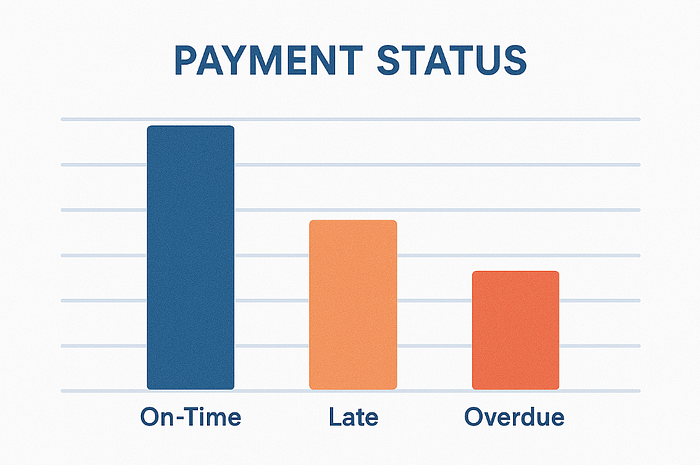
Key tracking features should include:
Past-due payment alerts
Customer payment history
Collection reminders
Payment trend tracking
Making Life Easier for Your Team
Working With Other Tools
Most businesses already use several software tools. When picking credit management software, make sure it plays nice with:
Your accounting system
Banking software
Customer databases
Business planning tools
The software should connect smoothly with existing systems to prevent double data entry and reduce errors. When systems work together well, teams spend less time fixing problems and more time on valuable work.
Reports That Tell the Real Story
Nobody wants to wade through complicated spreadsheets. Good credit management software turns numbers into clear insights.
Teams can see exactly how well collection efforts work and where money gets stuck in the system. The reports should highlight trends and patterns that might otherwise go unnoticed.
Clear reporting helps managers make better decisions about credit limits, collection strategies, and resource allocation.
Monthly and quarterly reviews become much more meaningful when backed by solid data and clear visualization of key metrics.
Keeping Everything Safe
Money matters need serious protection. The software should guard financial data without making life difficult for the people who need to use it.
Regular backups and strong passwords are just the start — the whole system needs to be built with security in mind. Multi-factor authentication adds an extra layer of protection without slowing down daily work.
Data encryption protects sensitive information both during storage and transmission.
Regular security updates patch potential vulnerabilities before they can be exploited. A good system logs all access attempts and changes, creating a clear audit trail for compliance purposes.
Daily Use Matters Most
Finance teams spend hours with their software every day. If it’s hard to use, people will find ways around it.
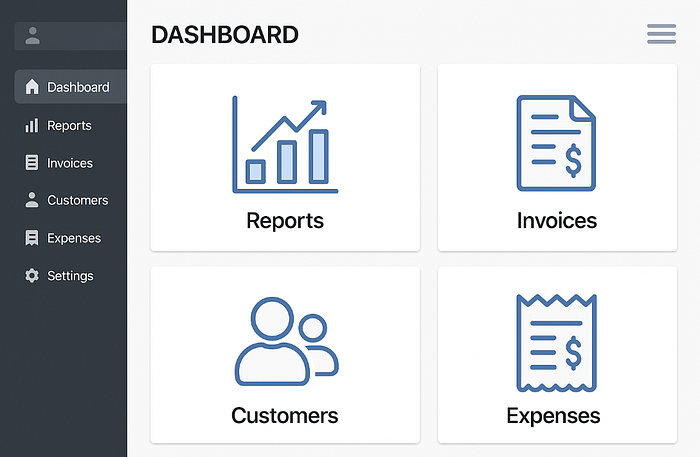
The best credit management software feels natural to use, like it was built by someone who actually understands the job. The interface should make common tasks easy to find and complete.
Simple workflows reduce training time and prevent mistakes. When staff members can work efficiently, they’re more likely to use the system properly rather than creating workarounds that could compromise security or accuracy.
Getting Started Right
Switching to new credit management software takes time and effort. A clear plan helps everyone know what’s happening and when.
Training shouldn’t be an afterthought — teams need to know how to use their new tools properly. A phased rollout often works better than trying to change everything at once.
Data migration deserves special attention during the switch. Historical records need to transfer correctly to maintain accurate customer histories and ensure proper risk assessment. Testing the system with real data before going live catches potential problems early.
Support When You Need It
Even the best software runs into problems sometimes. Good support means having someone to call who actually knows how to fix things.
Look for companies that take support seriously and have a track record of helping their customers quickly. Support should include both technical assistance and guidance on using the software effectively.
Response time matters — problems with credit management software can directly impact cash flow. The support team should understand the urgency of financial operations and respond accordingly.
Money Matters
Cost isn’t just about the price tag. Good credit management software pays for itself by helping collect money faster and avoiding bad debts.
Think about the whole picture — setup costs, training, and yearly fees all matter. Some vendors charge extra for features that others include in their base package.
Consider how pricing scales with business growth. A system that seems affordable today might become expensive as transaction volumes increase. Understanding the total cost of ownership helps prevent budget surprises down the road.
The Right Choice
Picking credit management software means thinking about today and tomorrow.
The right choice makes daily tasks easier while helping the business grow. Take time to find software that really fits your needs — rushing the decision usually leads to regrets later.
Remember that the best credit management software often isn’t the one with the most features, but the one that helps your team work better every day.
Focus on what matters for your business and choose accordingly. The right system becomes a valuable tool that supports growth and helps maintain healthy cash flow for years to come.
